
What You Must Prove To Get An Illinois Order Of Protection And What Judges Look For
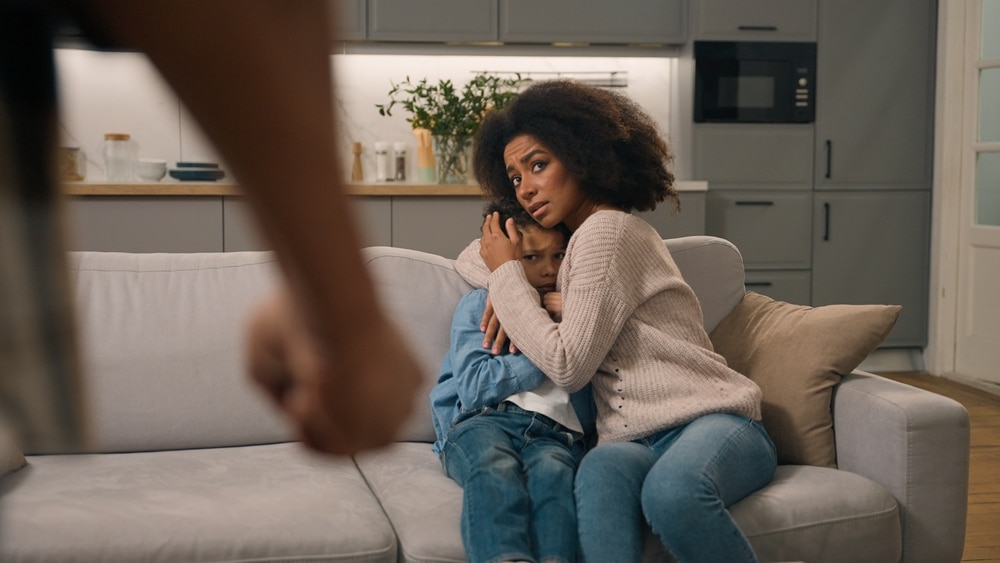
When someone comes to me seeking an Order of Protection, they are often overwhelmed and unsure about what the court requires. An Illinois Order of Protection is a powerful legal tool under the Illinois Domestic Violence Act (750 ILCS 60/101), and judges take these cases seriously because the stakes are high for both sides. To obtain this type of order, the petitioner must establish that abuse occurred or is likely to occur, and the court reviews specific evidence before granting protection. Many people assume that simply making an allegation is enough, but the law requires a clear showing of the facts that support the need for court intervention.
My responsibility is to explain these requirements so you can present the strongest possible case.
An Order of Protection can affect living arrangements, communication rights, parenting time, and even firearm possession. It can also influence ongoing divorce or family law cases under the Illinois Marriage and Dissolution of Marriage Act (750 ILCS 5/101). With so much at stake, understanding what judges expect and how to meet the legal standard is essential for anyone seeking protection.
What Illinois Law Requires You To Prove
Under 750 ILCS 60/103, abuse includes physical abuse, harassment, intimidation, interference with personal liberty, and willful deprivation. To obtain an Order of Protection, you must show that you are a “family or household member” under the statute and that abuse has occurred or may occur if protection is not granted.
The law does not require physical injury. Emotional harm, threatening behavior, and conduct intended to control or frighten can be enough if supported by credible evidence. Judges look for specific details, not general statements. Examples include dates, times, threats made, past incidents, or patterns of behavior that create fear or risk.
Evidence Judges Consider When Reviewing Your Petition
Judges do not require the same level of proof as is required in a criminal case. An Order of Protection is a civil matter, and the standard is generally a preponderance of the evidence. Still, you must provide enough information to show that the abuse is real and that relief is necessary.
The court may consider:
- Written statements describing incidents
- Photographs of injuries or property damage
- Police reports
- Video or audio recordings
- Text messages, emails, or social media threats
- Witness statements
- Medical or counseling records
Under 750 ILCS 60/213, the petition must outline the specific acts of abuse and the relief requested. A vague statement such as “I feel unsafe” is not enough. Judges want clear facts that demonstrate why protection is needed.
How Judges Evaluate Credibility
Credibility is one of the most important factors in these cases. Judges evaluate your demeanor, the consistency of your story, and whether your version of events matches the evidence. You do not need to appear emotional or distressed; you simply need to tell the truth clearly and calmly.
If your statements contain conflicting details or if the evidence does not support your claims, the court may deny the order. On the other hand, even if you do not have physical evidence, your testimony can be enough if it is persuasive and specific.
Emergency Orders Of Protection And What Courts Look For
Emergency Orders of Protection (EOPs) can be granted without notifying the other party under 750 ILCS 60/217. To obtain an EOP, you must show that immediate harm is likely and that notifying the respondent would expose you to further danger.
Judges review:
- The urgency of the situation
- The likelihood of further abuse
- Any recent threats or incidents
- Whether the respondent has access to weapons
- Whether children are at risk
EOPs typically last 14–21 days until the plenary hearing can be held.
Plenary Orders Of Protection And The Full Hearing Standard
At a full hearing for a plenary order, both sides present evidence. The court evaluates the totality of the circumstances under 750 ILCS 60/214. A plenary order can last up to two years and may impose extensive restrictions.
Judges may restrict communication, remove the respondent from a shared home, grant temporary custody-related relief, or impose conditions about parenting time. Because plenary orders carry serious consequences, the court examines the evidence carefully and expects a well-prepared presentation.
What The Court Considers When Children Are Involved
When children are impacted, the court considers their safety under both the Domestic Violence Act and the Illinois Marriage and Dissolution of Marriage Act (750 ILCS 5/602.10). A judge may issue temporary parenting provisions if there is credible evidence that the child witnessed abuse, was threatened, or may be harmed.
Courts look for:
- Signs of emotional distress in the child
- Exposure to dangerous situations
- Attempts by a parent to use the child as leverage
- Patterns of controlling or harmful behavior in front of the child
Because parenting rights are involved, the judge evaluates whether restrictions are necessary, proportionate, and consistent with the child’s well-being.
Avoiding Common Mistakes That Cause Judges To Deny Protection
I routinely see strong cases weakened by avoidable mistakes. These include:
- Providing vague or general statements
- Leaving out key incidents
- Posting about the situation on social media
- Communicating with the respondent after filing
- Minimizing the severity of the abuse out of fear or guilt
Judges rely on the petition and testimony more than anything else. If your presentation is incomplete, disorganized, or inconsistent, the court may not grant the relief you need. Careful preparation is essential.
Why Legal Guidance Matters
An Order of Protection can shape your safety, your family structure, and your future. If your petition is denied, it may affect related divorce or custody issues. If it is granted, the respondent may face strict restrictions, including potential criminal consequences for violations under 750 ILCS 60/223.
When I assist clients, my goal is to present a clear and compelling case that meets the legal standard and answers the questions judges routinely ask. A well-prepared petition improves your chances of receiving the protection you need and ensures the court understands the full context of your situation.
Call The Law Office Of Fedor Kozlov For Legal Assistance
Protecting your safety and your family is too important to leave to chance. If you need an Order of Protection or must appear at a hearing, I am prepared to assist you. To schedule a consultation, call our Chicago order of protection lawyer at the Law Office of Fedor Kozlov at (847) 241-1299.
