
What Happens If My Spouse Refuses To Sign Divorce Papers?
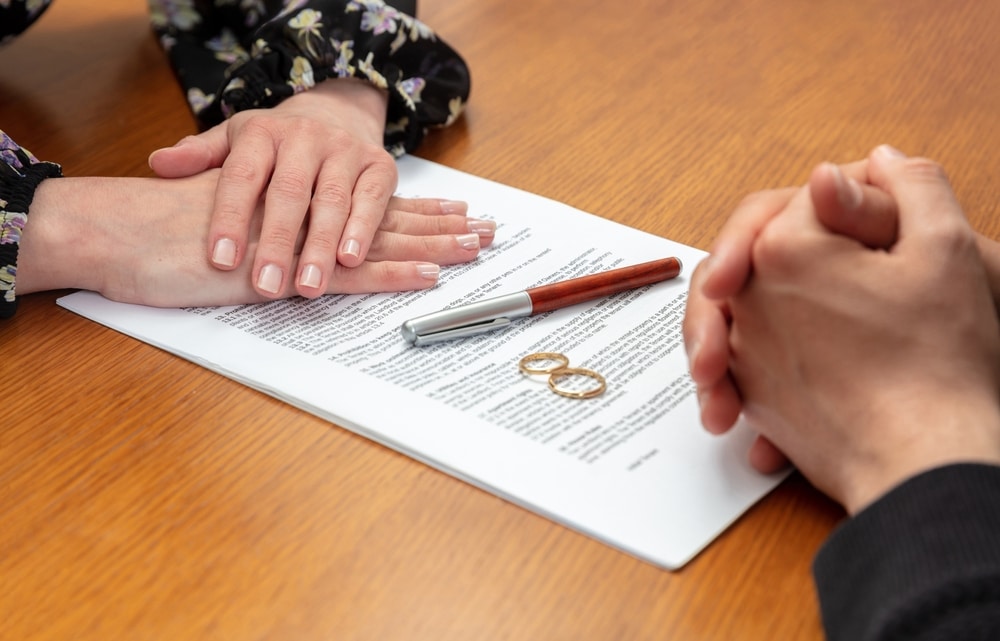
Ending a marriage is never easy and can be more stressful if your spouse does not cooperate. Many think both spouses must agree and sign divorce papers for the process to continue, but Illinois law does not work that way. I help clients in Schaumburg and across Illinois who face this situation, and can assure you that one person cannot stop a divorce by refusing to sign. The law has clear steps to move your case forward, even if your spouse does not participate. Knowing how this works can help you feel more confident and avoid delays.
You Do Not Need Your Spouse’s Permission To Get Divorced In Illinois
Illinois is a no-fault divorce state. Under 750 ILCS 5/401(a) of the Illinois Marriage and Dissolution of Marriage Act, the only ground for divorce is irreconcilable differences. This means that I do not need to prove wrongdoing by your spouse, and I do not need your spouse’s agreement to file for divorce.
If your spouse refuses to sign divorce papers, I can still file a Petition for Dissolution of Marriage with the court. After filing, your spouse must be formally served with the paperwork. Proper service is required under Illinois law to ensure your spouse has notice and an opportunity to respond.
Even if your spouse ignores the papers or refuses to cooperate, the case continues. The court retains jurisdiction and can proceed based on the evidence presented.
What Happens After Your Spouse Is Served
After your spouse is served, Illinois law sets a specific timeframe to respond. Generally, your spouse has 30 days to file an appearance and respond to the petition.
If your spouse chooses to participate, the case proceeds through the normal divorce process. This may include discovery, negotiation, and possibly trial. I handle these matters regularly, including issues involving property division, child custody, parenting time, and financial support.
If your spouse refuses to respond, I can request a default judgment. This is a powerful legal tool that allows the court to proceed without your spouse’s participation.
Default Judgment When Your Spouse Refuses To Participate
When a spouse ignores the divorce case after being properly served, Illinois law allows the court to enter a default judgment. This means the court can grant the divorce and issue orders based on the information I present.
Under 735 ILCS 5/2-1301, courts have the authority to enter default judgments when a party fails to appear or respond. In a divorce case, this can include decisions on:
- Division of marital property under 750 ILCS 5/503.
- Allocation of parental responsibilities under 750 ILCS 5/602.5.
- Parenting time under 750 ILCS 5/602.7.
- Child support under 750 ILCS 5/505.
- Spousal maintenance under 750 ILCS 5/504.
Even in a default situation, I still must present evidence to support your requests. The judge will review the facts carefully before entering final orders.
How Property And Finances Are Handled Without Cooperation
Illinois follows the principle of equitable distribution. Under 750 ILCS 5/503, marital property is divided fairly, not necessarily equally. If your spouse refuses to participate, I can present financial records, testimony, and other evidence to establish what is fair.
When one When one party refuses to cooperate, it often strengthens the participating spouse’s position. Courts may rely heavily on the evidence I provide, especially if your spouse does not challenge it., accuracy matters. I work with clients to gather complete financial documentation so the court has a clear picture of assets, debts, income, and expenses.
Child Custody And Parenting Time Without Agreement
When children are involved, the court focuses on their best interests. Illinois law under 750 ILCS 5/602.5 and 750 ILCS 5/602.7 governs decision-making responsibilities and parenting time.
If your spouse refuses to engage in the process, the court can still issue a parenting plan. I present evidence related to:
- The child’s relationship with each parent.
- Each parent’s involvement in daily care.
- Stability of the home environment.
- Any history of conflict or concerns affecting the child.
A non-responsive parent may lose the opportunity to influence these decisions. The court will base its ruling on the information available, with the child’s well-being as the priority.
Can Your Spouse Delay The Divorce By Refusing To Sign?
A spouse can cause delays, but they cannot prevent the divorce from happening. Delays may occur if your spouse avoids service or files motions intended to slow the process.
Illinois law provides solutions in these situations. If your spouse cannot be located, I can request service by publication under 735 ILCS 5/2-206. This allows the case to proceed after notice is published according to court requirements.
Courts also have the authority to manage cases efficiently and discourage unnecessary delays. Judges expect parties to act in good faith, and repeated obstruction can negatively impact your spouse’s position.
Why Legal Strategy Matters In These Cases
When one spouse refuses to cooperate, the approach to the case becomes more strategic. I focus on building a strong record with clear documentation and credible evidence. This ensures the court has everything needed to issue fair and enforceable orders.
Timing, proper service, and procedural compliance are critical. Mistakes can lead to delays or even require parts of the process to be repeated. I guide clients through each step to keep the case moving forward and protect their interests.
Illinois Divorce Frequently Asked Questions
Can My Spouse Stop The Divorce By Refusing To Sign?
No. Your spouse cannot stop the divorce simply by refusing to sign papers. Illinois law only requires one party to state that irreconcilable differences exist. Once I file the petition and your spouse is properly served, the case can move forward. If your spouse chooses not to participate, I can request a default judgment and proceed without their involvement. The court has full authority to finalize the divorce and issue orders related to property, support, and parenting matters.
What If My Spouse Ignores The Court Papers Completely?
If your spouse ignores the papers after being served, I can ask the court to enter a default judgment. This means the judge will rely on the evidence I present. While the court still reviews everything carefully, your spouse loses the opportunity to present their side. This often leads to a more efficient resolution, but it is important to provide accurate and complete information to the court.
How Long Does A Divorce Take If My Spouse Refuses To Participate?
The timeline can vary, but in many cases, a divorce may move faster when one spouse does not respond. After service, there is typically a 30-day waiting period for a response. If no response is filed, I can move for default. The court may then schedule a prove-up hearing where I present the case. Delays can occur if your spouse avoids service or if additional steps like publication are required.
Will The Court Automatically Give Me Everything I Ask For?
No. Even in a default case, the court does not automatically grant every request. I must still prove that the proposed outcome is fair and supported by the law. Judges review evidence related to finances, property, and children before making decisions. A well-prepared case increases the likelihood of a favorable outcome.
What If My Spouse Tries To Contest The Divorce Later?
A spouse may attempt to challenge a default judgment, but it is not guaranteed to succeed. Courts may allow a case to be reopened under certain circumstances, such as a lack of proper notice. However, if the service was completed correctly and procedures were followed, it becomes more difficult for your spouse to undo the judgment. This is why proper handling of the case from the beginning is so important.
Can I Still Get Child Support Or Spousal Support If My Spouse Refuses To Sign?
Yes. The court can award hild support and spousal maintenance even if your spouse does not participate. I present evidence of income, expenses, and financial need under Illinois statutes such as 750 ILCS 5/505 for child support and 750 ILCS 5/504 for maintenance. The court uses statutory guidelines and available evidence to determine appropriate support amounts.
Speak With A Schaumburg Divorce Attorney About Your Case
If your spouse is refusing to sign divorce papers or cooperate with the process, you still have options. I represent clients on both sides of divorce and family law cases, including child custody, parenting time, paternity, and financial matters. I take a direct and structured approach to move cases forward and protect what matters most to you.
Call our Schaumburg divorce attorney at the Law Office of Fedor Kozlov at (847) 241-1299 to receive a consultation. I represent clients in Schaumburg and throughout Chicago, Illinois, and I am ready to help you take the next step with clarity and confidence.
