
What Happens At A Divorce Trial in Illinois?
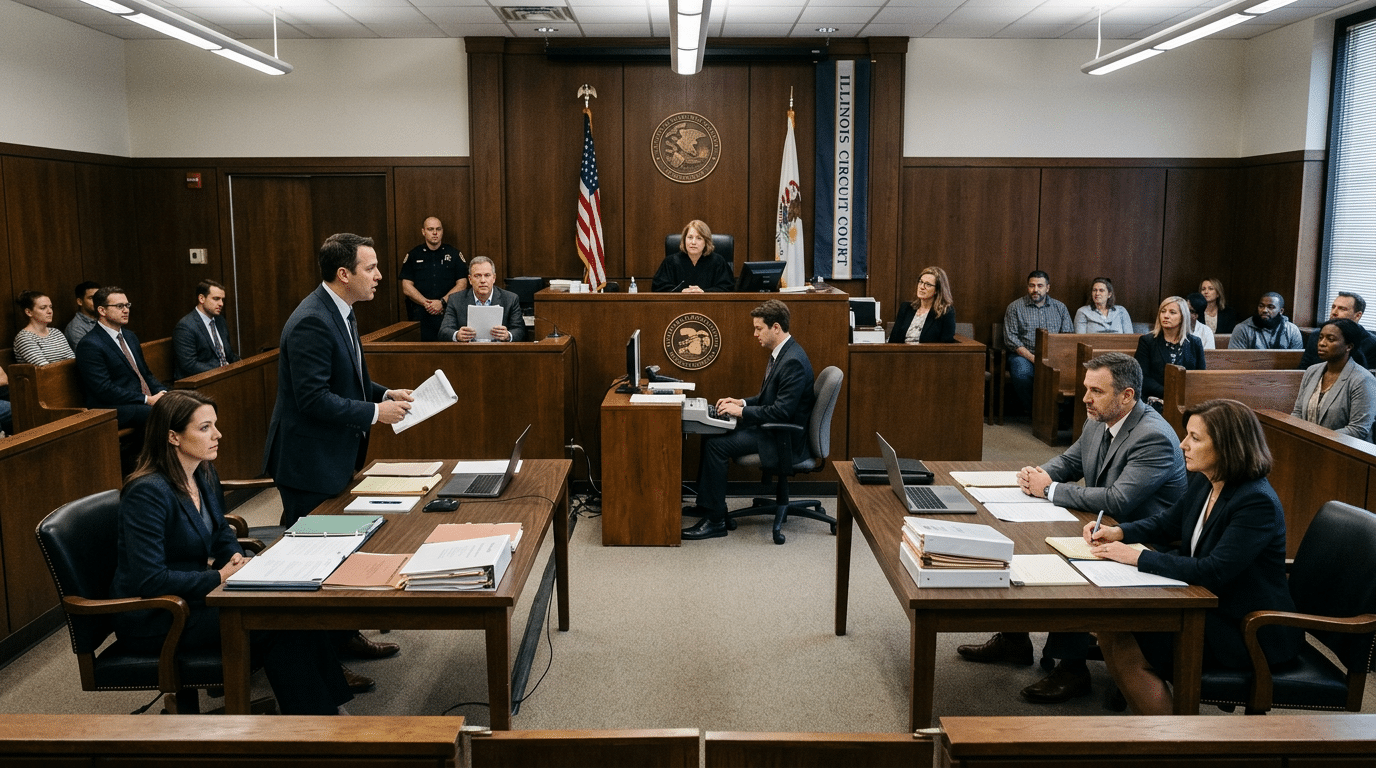
Going through a divorce in court can be stressful and uncertain, especially when your children, finances, property, or future are involved. Many people hope to settle their divorce outside of court, but sometimes an agreement cannot be reached. If spouses cannot resolve issues like parenting time, parental responsibilities, property division, or maintenance, the case may go to trial. In Illinois, divorce trials are formal court hearings where a judge listens to evidence, hears testimony, and makes decisions that are legally binding. Knowing what to expect during a divorce trial can help ease your worries and help you prepare. If you are facing a contested divorce in Schaumburg or anywhere in Illinois, it is important to know your rights and how the courts handle these cases.
Why Some Illinois Divorce Cases Go To Trial
Most divorces in Illinois are settled before trial through negotiation, mediation, or discussions between attorneys. However, some disagreements remain even after months of trying to reach an agreement. When this happens, the judge may set the case for trial.
Under the Illinois Marriage and Dissolution of Marriage Act, found at 750 ILCS 5/101, courts are required to divide marital property fairly and determine issues involving children according to the best interests of the child. Disagreements often arise because each spouse has different views about what is fair or appropriate.
A divorce trial may become necessary when spouses disagree about:
- Child custody and parenting time
- Allocation of parental responsibilities
- Child support
- Spousal maintenance
- Division of marital property
- Business ownership interests
- Retirement accounts
- Hidden assets or financial misconduct
- Visitation schedules
- Paternity issues
I work with clients on both sides of divorce and family law cases. Whether you want to protect your parental rights or respond to unfair claims, being well-prepared for trial is very important.
What Happens Before A Divorce Trial
Before the trial starts, both sides go through a process called discovery. This lets each party collect evidence and ask for information from the other spouse.
Discovery can include sharing financial documents, tax returns, bank statements, retirement account records, business records, depositions, written questions, and requests for documents.
Illinois Supreme Court Rule 213 governs witness disclosures and testimony requirements during litigation. Both parties generally must identify witnesses and provide evidence before trial.
Courts may also require mediation for disputes involving parenting time and allocation of parental responsibilities. Under 750 ILCS 5/602.10, Illinois courts encourage parents to create parenting plans whenever possible.
Temporary hearings may also occur before trial. These hearings address immediate concerns such as temporary child support, temporary maintenance, possession of the marital home, or temporary parenting schedules.
How An Illinois Divorce Trial Begins
In Illinois, divorce trials are usually bench trials, which means the judge, not a jury, decides the case. The judge reviews the evidence, listens to testimony, and applies Illinois law to the facts.
At the start of the trial, each lawyer may give an opening statement. This statement explains the facts of the case and what each side is asking the court to decide.
For example, one spouse may request primary parenting time while the other seeks equal parenting time. One party may argue for spousal maintenance while the other contests the request. Next, the judge listens to evidence from both sides.
Testimony And Evidence Presented During Trial
During the trial, both parties have an opportunity to testify. Witnesses may also testify, including family members, financial professionals, therapists, teachers, medical providers, business valuation professionals, and parenting evaluators.
Both sides can also present documents and other evidence. Financial records are often very important in Illinois divorce cases.
Illinois courts divide marital property according to equitable distribution principles. Equitable distribution does not always mean a perfect 50/50 split. Instead, the court considers factors such as contributions to the marriage, length of the marriage, economic circumstances of each spouse, future earning capacity, dissipation of marital assets, and child custody arrangements.
If one spouse says the other hid assets or spent marital money improperly, evidence about these claims can become important during the trial.
The other attorney can cross-examine witnesses. This means they can question witnesses to challenge their credibility, financial claims, parenting statements, or other disputed facts.
Child Custody And Parenting Issues During Trial
Disputes involving children are often the most emotional part of an Illinois divorce trial. Illinois no longer uses the traditional term “custody.” Instead, courts refer to the allocation of parental responsibilities and parenting time.
Under 750 ILCS 5/602.7, courts determine parenting time according to the best interests of the child. Judges may consider factors including:
- The wishes of the parents
- The wishes of the child
- The child’s relationship with each parent
- Adjustment to school and community
- Mental and physical health of all parties
- Ability of parents to cooperate
- History of violence or abuse
If visitation rights or parenting time are disputed, the judge carefully reviews testimony and evidence before making a decision.
In some cases, a guardian ad litem or child representative may become involved. These individuals investigate the circumstances and provide recommendations to the court regarding the child’s best interests.
I often tell clients that judges pay close attention to stability, cooperation, and putting the child’s needs first. Angry texts, social media posts, or breaking court orders can hurt a parent’s case during trial.
Spousal Maintenance And Financial Issues
Illinois courts may award spousal maintenance, also called alimony, under 750 ILCS 5/504. The court first determines whether maintenance is appropriate and then calculates the amount and duration according to statutory guidelines in many cases.
Financial disputes often require extensive evidence and testimony. Self-employed individuals, business owners, and high-income earners frequently face additional scrutiny regarding income and assets.
Paternity disputes may also arise in family law cases involving child support or parental rights. Illinois courts handle these matters under the Illinois Parentage Act, found at 750 ILCS 46/101.
The Judge’s Final Decision
At the conclusion of the trial, the judge may issue a ruling immediately or take the matter under advisement. In more complex cases, the judge may issue a written decision weeks later.
The final judgment may address dissolution of marriage, property division, parenting time, allocation of parental responsibilities, child support, spousal maintenance, attorney’s fees, and visitation schedules.
After the judge enters the divorce judgment, it is legally binding. Not following court orders about support, visitation, or parenting time can lead to serious consequences.
In some situations, post-trial motions or appeals may be available if significant legal errors occurred during the proceedings.
Preparing For A Divorce Trial In Illinois
Preparation can significantly affect the outcome of a divorce trial. I work closely with clients to organize evidence, prepare testimony, and anticipate arguments from the opposing side.
Strong preparation often includes:
- Organizing financial documents
- Preparing witness testimony
- Reviewing parenting records
- Understanding court procedures
- Avoiding harmful communications
- Following all court orders
Judges pay attention to your honesty, consistency, and professionalism during trial. Losing your temper or trying to mislead the court can seriously hurt your case.
Divorce trials can impact almost every part of your future. Careful legal preparation is very important when your finances, parental rights, and long-term stability are at stake.
FAQs About Divorce Trials In Illinois
How Long Does A Divorce Trial Take In Illinois?
How long a divorce trial takes depends on how complicated the issues are. Some trials last just a few hours, while others can go on for days or even weeks. Cases with business valuations, child custody disputes, large marital assets, or claims of hidden income usually take longer. Courts in Cook County and nearby areas are often busy, which can also cause delays. Even after the trial ends, the judge may need extra time to make a final decision.
Do I Have To Testify During My Illinois Divorce Trial?
In most contested divorces, both spouses will testify. This lets the judge hear your side about parenting, finances, property, or other issues. The other attorney may question you during the trial. Being prepared is important because inconsistent or emotional answers can hurt your credibility. I spend a lot of time helping clients get ready for these questions before trial.
Can A Divorce Be Settled Before Trial Starts?
Yes. Many Illinois divorce cases settle right before trial or even during the trial itself. Settlement talks can happen at almost any point. Sometimes, hearing witness testimony or seeing evidence helps both sides reach a compromise. Courts usually encourage settlement because it can lower costs and reduce stress for families. But if big disagreements remain, the judge will decide the issues.
What Happens If My Spouse Lies During The Divorce Trial?
If a spouse lies or hides assets, the court can impose serious consequences. Judges consider honesty when deciding on property division, maintenance, parenting issues, and overall credibility. Evidence like financial records, texts, emails, and witness testimony can reveal false statements. Illinois courts take financial disclosure very seriously, especially if someone tries to hide marital property or income.
Can My Children Testify During The Divorce Trial?
Illinois courts usually try not to put children in the middle of divorce cases. Judges generally do not want children to testify in court against a parent. Sometimes, though, the court may consider a child’s wishes based on their age and maturity. A guardian ad litem, child representative, or custody evaluator may talk to the child and share information with the court. The judge’s main goal is to protect the child’s emotional well-being and decide what is best for them.
What Should I Wear To Divorce Court In Illinois?
You should dress professionally and conservatively for court. Judges expect parties to appear respectful and serious about the proceedings. Appropriate courtroom attire can help create a positive impression. Clothing that appears overly casual, provocative, or disrespectful may reflect poorly on your presentation. Your behavior in court also matters greatly. Remaining calm and respectful throughout the hearing is important.
Can Social Media Affect My Divorce Trial?
Yes. Social media posts often become evidence in Illinois divorce and family law cases. Photos, comments, videos, and private messages can affect issues like parenting, finances, credibility, or claims of misconduct. Posts showing things like overspending, substance abuse, harassment, or bad behavior can hurt your case. I usually tell clients not to talk about their divorce online while the case is still going on.
What If I Disagree With The Judge’s Decision?
You may have options after the court gives a final judgment. Depending on your situation, you might be able to file a motion to reconsider or appeal. Appeals are not new trials. Instead, higher courts check if legal mistakes were made during your case. There are strict deadlines, so talk to an attorney quickly if you think the decision was wrong or unfair.
Contact Our Schaumburg Divorce Lawyer To Fight For Your Best Interests
Divorce trials can involve complicated legal issues that affect your children, finances, property, and future. Whether you are dealing with parenting disputes, visitation issues, paternity claims, child support disagreements, or property division, having an experienced lawyer can make a big difference. I work with clients on both sides of Illinois divorce and family law cases and support them through every step of the process.
If you are dealing with a contested divorce or family law issue in Schaumburg or anywhere in the Chicago area, contact the Law Office of Fedor Kozlov today. Contact our Schaumburg divorce lawyer at the Law Office of Fedor Kozlov at (847) 241-1299 to receive a consultation and talk about your legal options. The firm helps clients in Schaumburg and throughout Chicago, Illinois.
