
Digital Assets and Cryptocurrency in Divorce
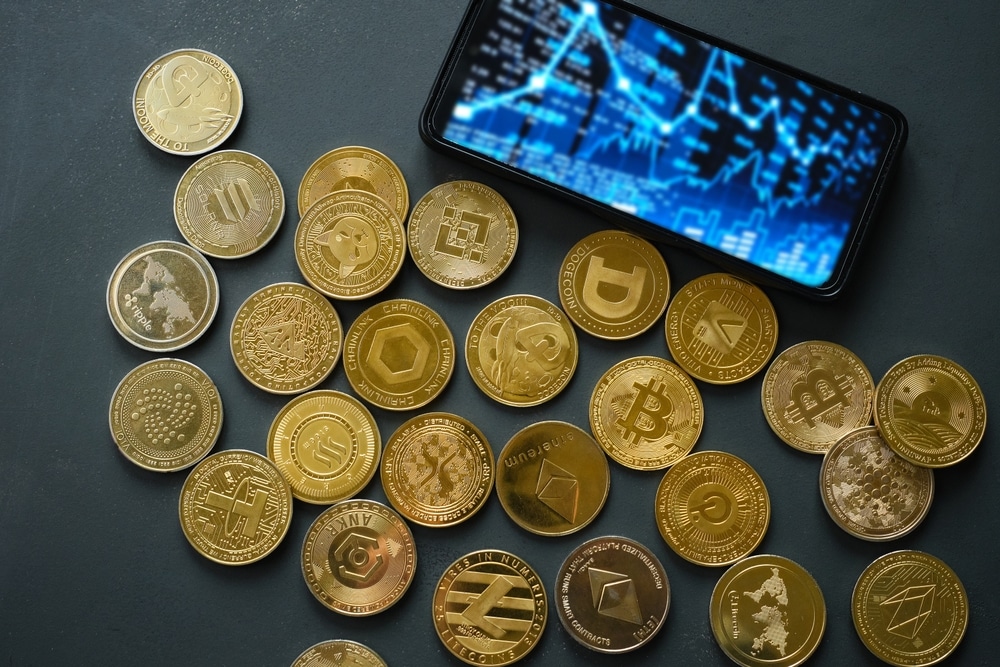
Divorce today often involves more than just dividing bank accounts, retirement plans, or real estate. Many couples now have cryptocurrency, online investment accounts, digital payment accounts, NFTs, online businesses, monetized social media, and other digital property. These assets can lead to serious disputes in Schaumburg divorces because they are easy to move, hard to track, and sometimes hidden. I help clients on both sides, those worried about hidden digital assets and those wanting to protect their separate property. Illinois divorce courts have the power to identify, classify, value, and divide marital property fairly. Digital property is taken seriously, especially when there are concerns about honesty or financial misconduct.
How Illinois Divorce Law Applies To Cryptocurrency And Digital Assets
Under the Illinois Marriage and Dissolution of Marriage Act, marital property is generally subject to equitable distribution during divorce proceedings. Section 750 ILCS 5/503 governs the classification and division of marital assets and debts. Under this statute, property acquired by either spouse during the marriage is generally presumed to be marital property unless an exception applies.
Cryptocurrency and digital assets may include:
- Bitcoin
- Ethereum
- NFTs
- Digital wallets
- Online trading accounts
- PayPal balances
- Venmo balances
- Monetized YouTube channels
- Revenue-generating websites
- Online businesses
- Domain names
- Digital advertising revenue
- Reward points and digital credits
Many people think cryptocurrency is anonymous or can’t be traced, but blockchain transactions usually leave a digital trail that can be used as evidence in court. In divorce cases, I use subpoenas, financial discovery, forensic accounting, and transaction analysis to find out if digital assets exist and if they were moved improperly.
Under 750 ILCS 5/501 and 750 ILCS 5/503, both spouses are required to provide full financial disclosure during divorce proceedings. Attempting to hide cryptocurrency or digital assets can seriously damage credibility with the court and may lead to sanctions or an unequal property division.
Determining Whether Cryptocurrency Is Marital Or Non-Marital Property
One of the biggest legal questions in these cases involves whether cryptocurrency is marital property or non-marital property. Illinois law recognizes that some assets may remain separate property under certain circumstances.
Under 750 ILCS 5/503(a), non-marital property may include:
- Property acquired before marriage.
- Gifts received by one spouse.
- Inheritances.
- Property excluded through a valid prenuptial or postnuptial agreement.
For example, if one spouse bought Bitcoin before the marriage and kept it separate from marital money, they may claim it is non-marital property. Things get more complicated if marital income was later added to the account or if the cryptocurrency grew a lot in value during the marriage.
Mixing funds often becomes a big issue. If cryptocurrency transactions are combined with marital assets, it can be hard to trace who owns what. Illinois courts look closely at account histories, transaction records, wallet activity, and financial documents to decide if assets should stay separate or be treated as marital property.
Valuing Cryptocurrency During Divorce Proceedings
Cryptocurrency creates unique valuation problems because prices can fluctuate dramatically within hours or days. Illinois courts require marital assets to be valued fairly before property division occurs. Under 750 ILCS 5/503(f), courts consider the relevant valuation date based on the facts of the case.
A dispute may arise over:
- The date used for valuation.
- Whether the cryptocurrency was sold.
- Whether the value increased after separation.
- Whether one spouse intentionally delayed proceedings to manipulate value.
For example, a cryptocurrency account worth $100,000 one month could be worth much more or much less a few months later. Courts may need input from financial experts, accountants, or valuation specialists to figure out a fair value.
I always tell clients to keep full records of cryptocurrency transactions, wallet transfers, exchange activity, and investment history. Missing documents can cause big problems when trying to prove ownership or value.
Hidden Cryptocurrency And Financial Misconduct In Illinois Divorce Cases
Cryptocurrency is often linked to hidden assets in divorce because digital wallets can sometimes be moved without being noticed right away. Illinois courts take hidden assets very seriously.
Under 750 ILCS 5/503(d), courts may consider dissipation of marital assets when dividing property. Dissipation occurs when one spouse improperly spends, transfers, conceals, or wastes marital property for purposes unrelated to the marriage during the breakdown of the relationship.
Examples may include:
- Secret cryptocurrency transfers.
- Undisclosed trading accounts.
- Moving funds to offshore exchanges.
- Converting marital funds into cryptocurrency without disclosure.
- Deleting financial records.
- Transferring digital assets to friends or relatives.
If hidden assets are found, Illinois courts may give a larger share of marital property to the spouse who was honest. Courts can also punish or make findings against the spouse who hid information.
Digital evidence is often very important in these cases. Email records, exchange account statements, tax returns, blockchain records, and banking activity can all be used as evidence.
Cryptocurrency And Child Support Or Spousal Maintenance
Digital assets may also affect child support and spousal maintenance calculations. Illinois courts examine all sources of income when determining financial obligations.
Under 750 ILCS 5/505, child support is based largely on the parties’ incomes and financial resources. Cryptocurrency profits, trading gains, staking rewards, mining income, or online business revenue connected to digital assets may become part of the income analysis.
Similarly, under 750 ILCS 5/504, courts evaluating spousal maintenance consider each party’s income, earning capacity, financial resources, and property division.
Some spouses try to lower their reported income by claiming cryptocurrency losses or not reporting digital profits. Honest financial disclosure is very important because support calculations rely on accurate information.
Child Custody And Financial Stability Concerns
Financial disputes involving digital assets can sometimes overlap with child custody disputes under Illinois law. Parenting responsibilities and parenting time determinations are governed by 750 ILCS 5/602.7 and related provisions of the Illinois Marriage and Dissolution of Marriage Act.
Owning cryptocurrency by itself does not affect parenting rights. However, financial instability, risky trading, gambling-like investments, or hiding money can matter in some custody cases.
Courts focus on the best interests of the child when evaluating parenting arrangements. If one parent engaged in secretive financial conduct that harmed the family’s stability, the other parent may raise those concerns during litigation.
Every case is fact-specific. Courts evaluate the overall circumstances surrounding the parties’ conduct, financial stability, and ability to meet the child’s needs.
Why Early Legal Representation Matters In Digital Asset Divorce Cases
Digital asset divorce cases often move quickly because electronic transfers can happen instantly. Delays may create serious problems if accounts are emptied, records disappear, or funds are transferred internationally.
I work with clients to identify financial risks early, preserve evidence, request appropriate court orders, and pursue discovery designed to uncover hidden assets when necessary. Temporary restraining orders or injunctions may sometimes be appropriate to prevent transfers during pending divorce proceedings.
Illinois divorce litigation involving cryptocurrency requires careful attention to:
- Financial disclosures
- Tax records
- Exchange account activity
- Wallet ownership
- Blockchain transactions
- Business interests
- Asset tracing
- Income calculations
The earlier these issues are identified, the better positioned a spouse may be during negotiations or litigation.
FAQs About Digital Assets And Cryptocurrency In Illinois Divorce Cases
Can Cryptocurrency Be Hidden During A Divorce?
Yes, some spouses attempt to hide cryptocurrency because digital wallets can sometimes be transferred outside traditional banking systems. However, blockchain transactions often leave records that may later become evidence in court. Financial discovery, subpoenas, tax returns, and forensic investigations can uncover hidden cryptocurrency accounts and transfers. Illinois courts take asset concealment seriously and may impose financial consequences against a spouse who intentionally hides marital property.
Is Bitcoin Considered Marital Property In Illinois?
Bitcoin may be considered marital property if it was acquired during the marriage or purchased using marital income. Under 750 ILCS 5/503, Illinois courts generally presume property acquired during the marriage is marital property unless a spouse proves otherwise. If Bitcoin was purchased before the marriage and kept separate, a spouse may argue it remains non-marital property. The facts of the case and financial records matter significantly.
What Happens If My Spouse Refuses To Disclose Cryptocurrency Accounts?
Illinois law requires full financial disclosure during divorce proceedings. If a spouse refuses to disclose cryptocurrency accounts, the court may compel disclosure through discovery orders, subpoenas, depositions, or other legal procedures. A judge may also draw negative conclusions against a spouse who intentionally conceals assets. In serious cases, hidden assets may lead to sanctions or an unequal division of marital property.
How Is Cryptocurrency Valued During Divorce Proceedings?
Cryptocurrency is usually valued based on fair market value at a relevant point in time determined by the court. Because cryptocurrency prices fluctuate frequently, valuation disputes are common. Courts may examine account records, transaction history, expert testimony, and market pricing information. The timing of valuation can substantially affect the final property division.
Can NFTs Be Divided In An Illinois Divorce?
Yes, NFTs may be treated as marital property if they were acquired during the marriage using marital funds. Illinois courts may evaluate the purchase price, current value, ownership records, and transfer history. Some NFTs may also generate royalty income or hold business value, which can further complicate division during divorce proceedings.
Are Online Businesses Considered Marital Property?
Online businesses may qualify as marital property if they were created or developed during the marriage. Revenue-generating websites, YouTube channels, digital advertising accounts, social media businesses, and e-commerce operations may all have substantial value. Courts may examine income records, customer activity, branding value, and future earning potential when dividing these assets.
Can Cryptocurrency Affect Child Support Calculations?
Yes, cryptocurrency profits and digital asset income may affect child support calculations under Illinois law. Courts examine all income sources when calculating child support obligations under 750 ILCS 5/505. Trading profits, mining income, staking rewards, or revenue from digital investments may become relevant during support proceedings.
What Should I Bring To My Lawyer If Cryptocurrency Is Involved In My Divorce?
You should gather as much documentation as possible, including exchange account statements, wallet addresses, transaction histories, tax returns, screenshots, login records, bank statements, and investment records. Preserving digital evidence early can help prevent disputes later in the case. Accurate records are often critical when tracing ownership and valuation issues.
Speak With A Schaumburg Divorce Law Attorney About Your Case
Digital assets can create serious legal and financial complications during Illinois divorce proceedings. Whether you are concerned about hidden cryptocurrency, disputes over marital property, child custody issues, spousal maintenance, or protecting your financial interests, experienced legal representation matters. The Law Office of Fedor Kozlov represents clients on either side of divorce and family law disputes involving cryptocurrency, digital assets, parenting time, visitation rights, paternity matters, and complex property division issues.
If you are facing a divorce involving cryptocurrency or other digital assets, call our Schaumburg divorce attorney at the Law Office of Fedor Kozlov at (847) 241-1299 to receive a consultation. The firm represents clients in Schaumburg, throughout Chicago, and across Illinois.
