
Co-Parenting Apps And Court Expectations
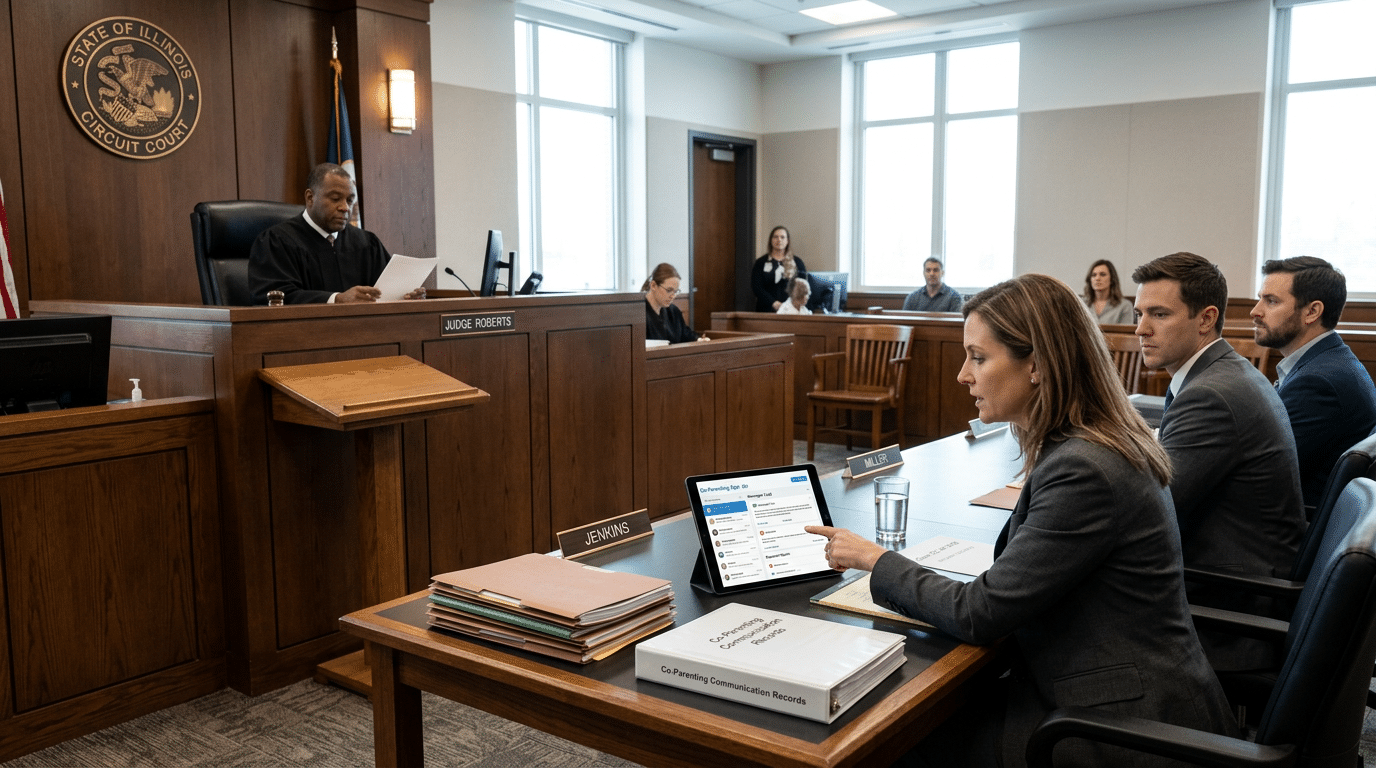
How parents communicate after separating or divorcing can impact almost every part of a case involving their child. Illinois courts want parents to talk in ways that support the child’s best interests and avoid unnecessary conflict. Judges often suggest or require parents to use co-parenting apps to handle communication, schedules, expenses, and visitation. These apps create a written record that could be used as evidence in court. If you are involved in a divorce, a dispute over parental responsibilities, parenting time, paternity, or post-decree changes, it’s important to know how these tools might affect your case.
Co-parenting apps are now common in Illinois family law because they help parents stay organized and accountable. Judges worry when parents’ communication becomes hostile, inconsistent, or disruptive for the child. Arguments over text, social media, or missed calls often lead to confusion and conflict. Using a co-parenting app can help by keeping all communication in one place. These apps also show if a parent is following schedules, sharing information, or cooperating with court orders.
When I work with clients in Schaumburg and across Illinois, I talk about how communication habits can affect the outcome of a family law case. Courts often look more favorably on parents who are cooperative, respectful, and focused on their child. Hostile messages, refusing to communicate, or interfering with parenting time can cause legal trouble. Knowing how Illinois courts view co-parenting apps can help parents protect their relationship with their child and their legal standing.
Why Illinois Courts Encourage Co-Parenting Apps
Illinois courts make decisions involving children based on the child’s best interests under 750 ILCS 5/602.7. Courts examine several factors when determining parenting time and parental responsibilities. One important factor is each parent’s willingness and ability to facilitate and encourage a close relationship between the child and the other parent.
Judges often see poor communication as a main cause of parenting disputes. Ongoing arguments, accusations, and emotional exchanges can harm children and lead to more court battles. Co-parenting apps can help by organizing and making communication easier to track.
Many applications include features such as shared parenting calendars, expense tracking, message storage, medical and school information sharing, documentation of schedule changes, and secure communication portals.
These tools can help prevent arguments about what was said, when information was shared, or if a parent followed court orders. Some courts specifically recommend apps like OurFamilyWizard, TalkingParents, or AppClose in custody disputes.
Illinois courts also have authority under 750 ILCS 5/607.6 to place restrictions on communications and conduct involving parenting matters when necessary to protect the child’s welfare. If communication between parents becomes harmful or abusive, the court may order the use of monitored or structured communication platforms.
How Co-Parenting Apps Can Become Evidence In Court
Many parents do not realize that messages sent through these apps can later be used in court. Communication from parenting apps is often allowed as evidence in hearings about parenting time, responsibilities, contempt, or changes to orders.
A judge may review app records to determine:
- Whether a parent cooperates with scheduling.
- Whether one parent repeatedly cancels parenting time.
- Whether communication is respectful and child-focused.
- Whether one parent attempts to alienate the child.
- Whether important information about the child was withheld.
Illinois courts generally expect parents to communicate reasonably about the child’s education, healthcare, extracurricular activities, and daily needs. Under 750 ILCS 5/602.5, courts allocate significant decision-making responsibilities regarding education, religion, healthcare, and extracurricular activities. Failure to communicate appropriately about these issues may affect future court decisions.
Parents should act as if every message they send in a co-parenting app could be read by a judge. Angry messages, insults, threats, or trying to manipulate can hurt a parent’s credibility. Even if the other parent acts badly, responding with emotion can cause legal problems.
I tell parents to use these apps as if the judge is reading every message. Keeping messages brief, factual, polite, and focused on the child can help your case in court.
Co-Parenting Apps in High-Conflict Custody Cases
In high-conflict custody cases, there are often repeated claims about communication issues, missed exchanges, or interference with parenting time. Courts may use co-parenting apps to lower direct conflict and keep a record of all interactions.
Under 750 ILCS 5/603.10, Illinois courts may appoint parenting coordinators in certain situations to help parents resolve disputes involving parenting plans and parenting schedules. Parenting coordinators frequently recommend or require communication through co-parenting platforms because they provide transparency and accountability.
Using a co-parenting app can help prevent misunderstandings because all messages and schedule changes are saved in the app. Some apps even have a warning to users before they send aggressive or harsh messages.
When one party fails to cooperate or follow court orders, the communication records within these applications may become important evidence during enforcement proceedings under 750 ILCS 5/607.5.
Common Mistakes Parents Make When Using Co-Parenting Apps
Some parents think they can use co-parenting apps to build a case against the other parent by sending constant accusations or too many messages. This usually backfires. Judges prefer parents who focus on practical issues about the child, not personal attacks.
A common mistake is using the app to continue arguments from the marriage that have nothing to do with the child. Parenting apps should only be used for parenting matters. Bringing up past relationships, unrelated finances, or personal complaints can make the sender look bad.
Another mistake is sending too many messages during the day. Constant messaging can seem controlling or disruptive. Parents should only communicate when needed and keep messages clear and respectful.
Illinois courts strongly support stable and healthy co-parenting whenever possible. The way a parent communicates can affect decisions about changes to parenting time and responsibilities.
Co-Parenting Apps And Parenting Plans In Illinois
Illinois parenting plans often contain detailed provisions regarding communication between parents. Under 750 ILCS 5/602.10, parenting plans may include methods for exchanging information, resolving disputes, and handling schedule changes.
Some parenting agreements require parents to use a co-parenting app for all communication about the child. This can help avoid arguments about lost texts, deleted emails, or mixed-up messages.
A parenting plan may address:
- Which app must the parents use
- Response time expectations
- Methods for requesting schedule changes
- Expense reimbursement procedures
- Emergency communication rules
- Information sharing requirements
Courts can enforce these rules if a parent does not follow them. Repeatedly breaking the parenting plan can lead to legal trouble and may support requests to change the plan in the future.
FAQs About Co-Parenting Apps And Illinois Family Law
Can A Judge Order Parents To Use A Co-Parenting App?
Yes. Illinois courts can order parents to use a co-parenting app if communication problems affect parenting or the child’s well-being. Judges often use these apps in custody disputes, high-conflict cases, and after divorce. Courts want communication to be organized, respectful, and focused on the child. If texts, calls, or emails cause ongoing conflict, a judge may require parents to use a monitored app. Not following the court’s order can hurt a parent’s case.
Are Messages In A Co-Parenting App Admissible In Court?
In many cases, yes. Messages, calendars, expense logs, and other records from these apps can be used as evidence in Illinois family law cases. Judges may look at these records to see if parents cooperate, follow schedules, or communicate well about the child. Hostile language, threats, or refusing to communicate can become important evidence. Courts often rely on written communication because it clearly shows how parents interact.
Which Co-Parenting Apps Do Illinois Courts Commonly Recommend?
Illinois courts often recommend apps like OurFamilyWizard, TalkingParents, and AppClose. Different judges may prefer different apps based on the case. Some apps offer features like tone monitoring, expense tracking, and records that courts can access. The app chosen may depend on how much conflict there is, how complex the schedule is, and whether lawyers or coordinators need to see the records.
Can Refusing To Use A Co-Parenting App Hurt My Case?
Yes, it can. If a court orders you to use a co-parenting app and you refuse, the judge may see this as a problem. Courts expect parents to work together for the child’s best interests. Not communicating or following the parenting plan can affect disputes over parenting time or requests to change the plan. The court may see refusal as not wanting to co-parent.
Can Co-Parenting Apps Help In Paternity Cases?
Yes. Co-parenting apps can be helpful in paternity and parentage cases that involve schedules, communication problems, sharing expenses, and visitation issues. Once parentage is established, courts can make orders about parenting time and responsibilities. Records from these apps can show cooperation, involvement with the child, or ongoing problems that affect the child’s well-being.
Should I Communicate Only Through The App?
It depends on your court order and parenting agreement. Some orders say all communication about the child must go through the app, except in emergencies. In other cases, parents can use phone or text for urgent issues. It’s important to follow the court’s instructions. If your plan requires using a certain app, not following that rule can cause legal problems.
Call Our Schaumburg Custody Attorneys To Discuss Co-Parenting Apps
Co-parenting communication can significantly affect divorce proceedings, parenting disputes, visitation conflicts, and post-decree matters. The way parents communicate with each other may influence how the court views parental cooperation, credibility, and the child’s best interests. Whether you are involved in a divorce, allocation of parental responsibilities dispute, paternity case, parenting time disagreement, or modification proceeding, having legal representation may help protect your rights and your relationship with your child.
The Law Office of Fedor Kozlov represents clients in Schaumburg and throughout Chicago, Illinois, in family law matters involving divorce, child custody, visitation rights, paternity, and related disputes. Schedule a consultation with our Schaumburg custody attorney at the Law Office of Fedor Kozlov by calling (847) 241-1299.
