
Can Grandparents Get Visitation Rights In Illinois?
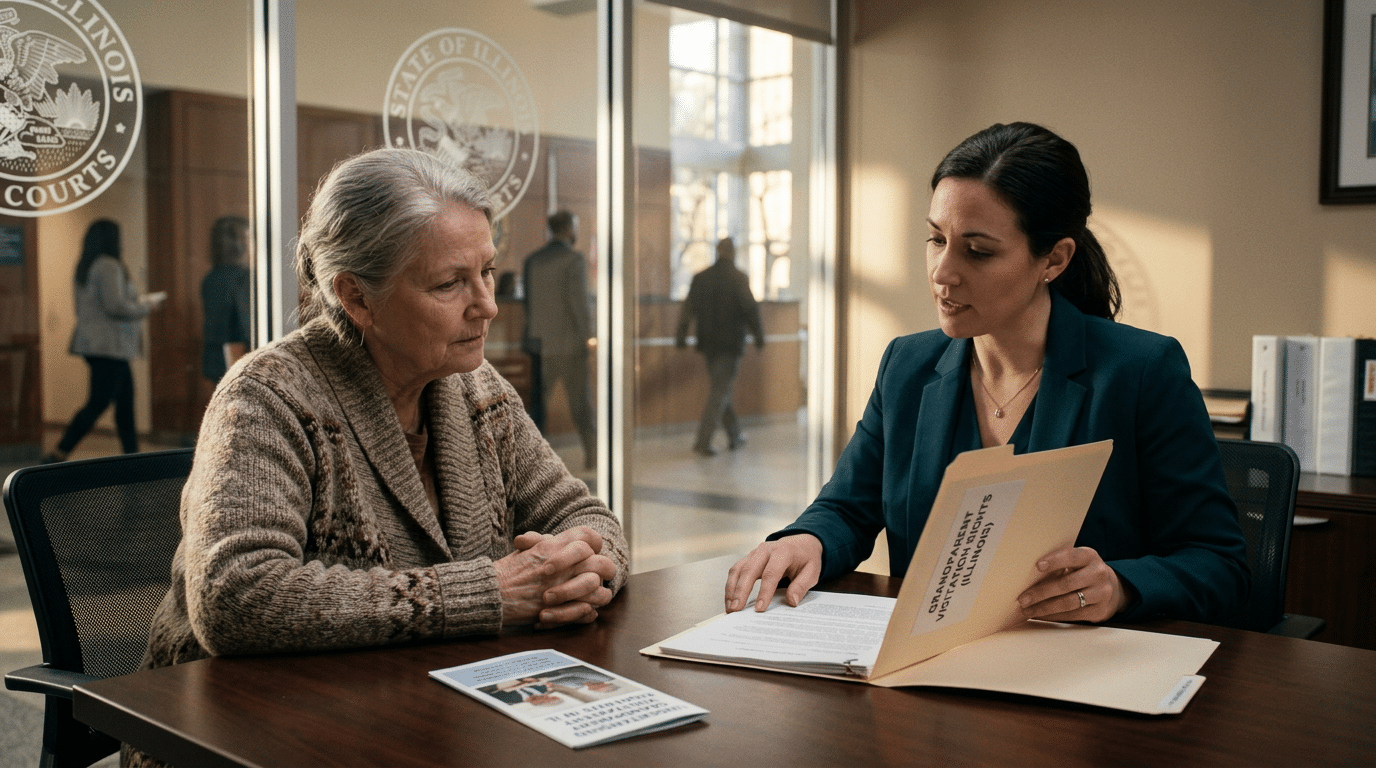
Family relationships often get complicated when parents separate, divorce, or have custody disputes. A common question is whether grandparents can still spend time with their grandchildren if a parent limits or stops contact. Illinois law understands that grandparents are important in a child’s life, but it does not give them automatic visitation rights. Courts weigh a parent’s right to make decisions for their child against what is best for the child. If you are a grandparent seeking visitation or a parent responding to a request, it is important to know how Illinois law works. I help clients in Schaumburg and nearby areas with visitation, parental responsibilities, paternity, divorce, and other family law matters.
Understanding Grandparent Visitation Rights In Illinois
In Illinois, some grandparents and close relatives can ask the court for visitation, but only in certain situations. The main law for grandparent visitation is Section 602.9 of the Illinois Marriage and Dissolution of Marriage Act, 750 ILCS 5/602.9.
Illinois law does not give grandparents an automatic right to visit just because they are related to the child. Courts start with the idea that a fit parent’s decision about visitation is not harmful. This is important because parents usually have the right to decide who their children spend time with.
However, a grandparent can ask the court for visitation if certain legal requirements are met and if denying visitation is harming the child’s mental, physical, or emotional health.
When Can Grandparents File For Visitation?
Under 750 ILCS 5/602.9, grandparents may seek visitation in several situations.
A grandparent may file a petition when one of the child’s parents is deceased or missing for at least 90 days. A petition may also be filed if one parent is incarcerated for at least 90 days before the filing of the petition.
Grandparents may seek visitation if the child’s parents are divorced, legally separated, or there is a pending dissolution proceeding involving at least one parent.
Visitation may also be requested when the child was born to unmarried parents and the parents are not living together. In paternity cases, visitation requests often arise after disputes develop between family members.
The existence of one of these circumstances does not automatically guarantee visitation. Instead, it simply allows the court to consider the request.
The Burden Of Proof In Grandparent Visitation Cases
One of the most important aspects of these cases is the burden of proof. Illinois courts presume that a parent’s decision to deny visitation is appropriate.
To overcome that presumption, the grandparent must show that the denial of visitation has caused undue harm to the child’s mental, physical, or emotional health. This requirement comes directly from 750 ILCS 5/602.9(b)(3).
This can be challenging because courts generally avoid interfering with parental decisions unless substantial evidence demonstrates that continued contact with the grandparent is necessary for the child’s well-being.
Evidence can include statements about the relationship, how much time the grandparent and child spent together, the child’s emotional bond with the grandparent, and any negative effects from losing contact., Illinois courts examine numerous factors to determine whether visitation would serve the child’s best interests.
Under 750 ILCS 5/602.9(c), courts may consider the wishes of the child, the child’s mental and physical health, the mental and physical health of the grandparents, and the length and quality of the prior relationship.
Courts also review the good faith of the parties. If a grandparent files a petition solely to interfere with parental authority, the court may view the request unfavorably. Likewise, if a parent denies visitation out of spite or as part of an ongoing family conflict, that fact may also be considered.
The court will evaluate the amount of visitation requested and whether the proposed schedule is likely to interfere with the child’s regular activities and family relationships.
Every case is highly fact-specific, and outcomes often depend on the quality of evidence presented.
Grandparent Visitation During Divorce And Custody Disputes
Grandparent visitation issues frequently arise during divorce and child custody proceedings. When parents separate, family dynamics often change, and relationships between grandparents and grandchildren can become strained.
I often represent parents and grandparents involved in disputes regarding allocation of parental responsibilities, parenting time, visitation, and related family law matters. During a divorce case, grandparents may become concerned that a parent will prevent future contact with the child.
Although grandparents may seek visitation under qualifying circumstances, Illinois courts remain focused on parental rights and the child’s best interests. Courts generally prefer that families resolve these disputes cooperatively whenever possible.
When litigation becomes necessary, proper preparation and a clear understanding of Illinois visitation laws can significantly affect the outcome.
The Role Of Paternity Cases In Grandparent Visitation
Paternity cases can also create situations where grandparent visitation becomes an issue. When parents are unmarried, disagreements regarding parental responsibilities and parenting time sometimes affect extended family relationships.
Illinois courts may consider grandparent visitation requests in certain cases involving children born to unmarried parents who are not living together. These matters often involve complex family dynamics and require careful analysis of the statutory requirements.
Whether you are a grandparent seeking visitation or a parent responding to a petition, it is important to understand how paternity proceedings may affect visitation rights.
Why Legal Representation Matters
Grandparent visitation cases involve constitutional rights, statutory requirements, and detailed factual analysis. A successful petition requires more than simply showing that a grandparent loves a child or wants additional time together.
The court must be presented with evidence that satisfies the legal standards established under Illinois law. Likewise, parents responding to visitation petitions must understand their rights and how Illinois courts evaluate these claims.
Because these cases can affect important family relationships for years to come, obtaining legal guidance can help ensure that your interests and your child’s interests are properly protected.
FAQs About Grandparent Visitation Rights In Illinois
Can Grandparents Automatically Receive Visitation Rights In Illinois?
No. Illinois law does not provide grandparents with automatic visitation rights. Parents generally have the constitutional right to decide who may spend time with their children. A grandparent must satisfy the legal requirements contained in 750 ILCS 5/602.9 before the court will even consider granting visitation. The grandparent must also overcome the presumption that the parent’s decision is in the child’s best interests.
Can A Grandparent Seek Visitation If The Parents Are Still Married?
In most situations, it is significantly more difficult for grandparents to pursue visitation when both parents are married and living together. Illinois law generally limits visitation petitions to specific circumstances, such as divorce, separation, death of a parent, incarceration, or situations involving unmarried parents who are not living together.
What Must A Grandparent Prove To Obtain Visitation?
A grandparent must show that the denial of visitation is causing undue harm to the child’s mental, physical, or emotional health. This is a substantial legal burden. The grandparent must present evidence demonstrating that continued contact is important to the child’s well-being and that the lack of visitation is negatively affecting the child.
Does A Child’s Preference Matter In A Visitation Case?
It can. Depending on the child’s age and maturity level, the court may consider the child’s wishes when determining whether visitation would be in the child’s best interests. However, the child’s preference is only one factor among many that the court may evaluate.
Can A Parent Completely Block A Grandparent From Seeing A Child?
A parent generally has broad authority to make decisions concerning a child’s relationships. However, if the statutory requirements are met and the grandparent can demonstrate that denial of visitation is harming the child, the court may order visitation despite a parent’s objection.
How Does A Grandparent Start A Visitation Case?
The process typically begins by filing a petition for visitation in the appropriate Illinois court. The petition must identify the legal basis for the request and explain why visitation should be granted under Illinois law. Supporting evidence is often critical to the success of the case.
Can Grandparents Request Overnight Visits?
Possibly. The court has discretion to determine the type and amount of visitation that may be appropriate. Depending on the circumstances, visitation could include daytime visits, holiday visitation, or overnight parenting time. The specific facts of the case will determine what schedule, if any, is ordered.
Does The Death Of A Parent Affect Grandparent Rights?
Yes. The death of a parent is one of the circumstances specifically identified in 750 ILCS 5/602.9 that may allow a grandparent to seek visitation. However, the grandparent must still satisfy the other legal requirements before visitation can be granted.
Can Grandparents Seek Visitation After An Adoption?
In many situations, adoption may affect or terminate a grandparent’s ability to seek visitation. The outcome depends on the nature of the adoption and the specific facts involved. These cases can be legally complex and should be evaluated individually.
What Happens If A Court Grants Grandparent Visitation?
If visitation is granted, the court will issue an order outlining the visitation schedule and conditions. Both parties are expected to comply with the court’s order. Failure to follow the order could result in further legal proceedings.
Contact Our Schaumburg Grandparent Visitation Lawyer To Schedule A Consultation
Disputes involving grandparent visitation can be emotionally difficult and legally complex. Whether you are a grandparent seeking visitation rights or a parent responding to a visitation petition, it is important to understand your rights under Illinois law. I represent clients on both sides of visitation disputes, as well as matters involving divorce, child custody decisions, allocation of parental responsibilities, parenting time, paternity, and other family law issues. Early legal guidance can help you understand your options and protect your family’s interests.
If you have questions about grandparent visitation rights, child custody matters, parenting time disputes, divorce proceedings, or other family law concerns, contact the Law Office of Fedor Kozlov. I represent clients in Schaumburg and throughout Chicago, Illinois. Contact our Schaumburg visitation attorneys at the Law Office of Fedor Kozlov at (847) 241-1299 to receive a consultation.
