
How Illinois Family Courts Resolve Disputes Over Future Parenthood
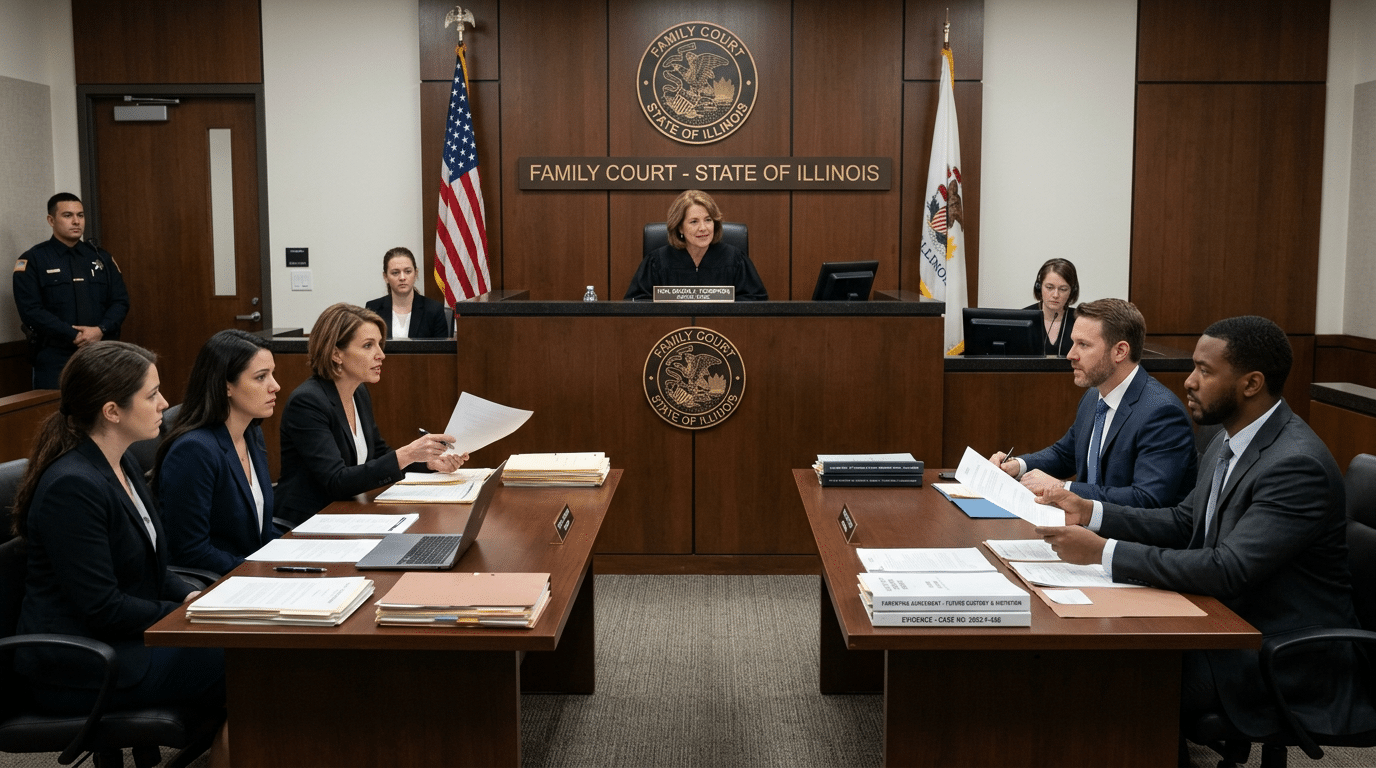
Family law cases often raise tough questions about children, parenting rights, and each parent’s future responsibilities. Some of the hardest situations happen when parents cannot agree about becoming parents in the future. These disagreements might involve frozen embryos from assisted reproductive technology, whether to have more children, paternity issues, or disputes about parental rights before a child is born.
Although these are deeply personal matters, Illinois family courts often have to decide the legal rights and duties of everyone involved. When conflicts come up, courts weigh contracts, parental interests, constitutional rights, and the well-being of any child who might be born. Knowing how Illinois courts handle these cases can help people make better choices and protect their rights before problems get worse.
Understanding Future Parenthood Disputes
Future parenthood disputes occur when individuals disagree about whether, how, or under what circumstances they will become parents. These disagreements often arise during divorce proceedings, after the end of a long-term relationship, or when former partners disagree about the use of reproductive material that was created during the relationship.
A common example is when a couple creates frozen embryos through in vitro fertilization but separates before using them. One person may want to use the embryos, while the other does not. Similar disagreements can happen over donor arrangements, surrogacy agreements, or parental responsibilities related to assisted reproductive technology.
These cases can be very complex because both sides have important rights and interests. One person may want to become a parent, while the other wants to avoid parenthood. Courts often have to look at contracts, consent forms, parentage laws, and public policy when deciding these disputes.
The Role Of Illinois Parentage Laws
The Illinois Parentage Act of 2015, found at 750 ILCS 46, is important in many future parenthood disputes. This law sets the rules for deciding parentage and covers issues related to assisted reproduction. It also recognizes that today’s families often look different from traditional ideas of parenthood.
When courts look at parentage issues, they often focus on what the people involved intended. Written agreements, paperwork from fertility clinics, and other evidence can show whether someone meant to take on parental rights and responsibilities. Having clear documents can make a big difference in how a dispute is decided.
Deciding who is a parent is important because it affects many legal rights and duties. Once parentage is set, questions about parenting time, parental responsibilities, child support, inheritance, and other family law issues can come up. That’s why future parenthood disputes often need careful legal review even before a child is born.
How Courts Address Embryo Disputes
Embryo disputes are happening more often as assisted reproductive technology becomes more common. Courts usually start by looking at any agreements the parties signed before creating the embryos. Fertility clinic contracts and embryo disposition agreements often say what should happen if the parties separate, divorce, or disagree about using the embryos in the future.
Illinois courts usually accept valid contracts made by capable adults. But they also think about public policy and constitutional rights when dealing with reproductive disputes. Both the right to become a parent and the right to avoid parenthood are important, and courts consider both sides carefully.
The outcome of each case depends on its specific facts. Courts look at the wording of agreements, what the parties intended when the embryos were created, and whether one person has other ways to become a biological parent. Since these disputes depend so much on the details, getting legal advice early is very important.
The Best Interests Of The Child Standard
After a child is born, Illinois family courts focus on the child’s well-being. The main concern in parenting disputes is what is best for the child. According to 750 ILCS 5/602.7 of the Illinois Marriage and Dissolution of Marriage Act, courts assign parental responsibilities based on what affects the child’s well-being and growth.
The law tells courts to look at many things, like what the parents want, the child’s needs, the child’s relationship with each parent, how well the parents can work together, and whether each parent supports the child’s relationship with the other parent. Courts also consider any history of abuse, violence, or other actions that could affect the child’s well-being.
Even when parties have signed agreements concerning future parenting arrangements, courts retain the authority to review those agreements. Parents cannot permanently waive a child’s right to have decisions made according to the child’s best interests. As a result, family courts maintain broad discretion when resolving parenting disputes after a child is born.
Parenting Time And Visitation Issues
Although Illinois law now refers to parenting time rather than visitation in most circumstances, many people still use the term visitation when discussing parenting schedules. Parenting time disputes frequently arise after parentage has been established and the parties disagree about each parent’s role in the child’s life.
In Illinois, courts have the authority to allocate parenting time and decision-making responsibilities in a manner that serves the child’s best interests. Judges may consider the parents’ work schedules, the child’s educational needs, living arrangements, and each parent’s historical involvement in caring for the child.
Future parenthood disputes can directly affect later parenting time disputes. For example, disagreements concerning parentage, reproductive agreements, or intended parental roles may become relevant when determining each party’s rights and responsibilities. The earlier these issues are addressed, the greater the opportunity to avoid prolonged litigation.
Why Written Agreements Matter
One of the most effective ways to reduce future parenthood disputes is through carefully drafted written agreements. While no document can eliminate every potential conflict, clear agreements often provide valuable evidence regarding the parties’ intentions and expectations.
Written agreements may address issues such as embryo disposition, financial responsibilities, parental intent, decision-making authority, and procedures for resolving future disagreements. These agreements can help clarify expectations before significant emotional and financial investments are made.
I frequently advise clients that legal planning before conflict develops is often far less expensive than attempting to resolve disputes after relationships deteriorate. Proper documentation can reduce uncertainty and provide a stronger foundation for protecting parental rights when disagreements arise.
The Importance Of Early Legal Guidance
Future parenthood disputes often involve overlapping areas of law, including family law, parentage law, contract law, and constitutional rights. These cases can become increasingly complicated when emotions are high, and the parties have fundamentally different goals.
Seeking legal guidance early allows individuals to understand their rights, evaluate potential risks, and develop strategies for protecting their interests. Whether the dispute involves assisted reproduction, parentage, parenting time, or allocation of parental responsibilities, taking proactive steps can often prevent more serious legal problems later.
Every family situation is unique. The facts of the case, the parties’ intentions, and the available documentation all play significant roles in determining how a court may resolve a dispute. Understanding these issues before litigation begins can place individuals in a much stronger position moving forward.
IVF Frequently Asked Questions
Can A Court Force Someone To Become A Parent?
Generally, courts carefully evaluate disputes involving reproductive rights because both the right to become a parent and the right to avoid parenthood involve significant legal interests. The outcome often depends on the specific facts of the case, any agreements that were signed, and the circumstances surrounding the dispute. Courts frequently review contracts and consent documents when determining the parties’ rights.
What Happens If Former Partners Disagree About Frozen Embryos?
When former partners disagree about frozen embryos, courts often begin by examining any agreements signed before the embryos were created. Fertility clinic contracts and embryo disposition agreements may provide important guidance. Courts may also consider the parties’ intentions and other relevant circumstances when determining how the dispute should be resolved.
Can A Parent Give Up Future Child Support Obligations Through An Agreement?
No. Illinois courts generally will not enforce agreements that permanently eliminate a child’s right to financial support. Child support is considered a right belonging to the child, not the parents. Courts retain authority to review support obligations and ensure that the child’s needs are protected.
How Does Illinois Determine Parenting Time?
Illinois courts determine parenting time according to the child’s best interests. Judges evaluate factors identified in 750 ILCS 5/602.7, including the child’s needs, each parent’s involvement, the parents’ ability to cooperate, and other circumstances affecting the child’s welfare. The goal is to create an arrangement that promotes stability and healthy development.
Does Parentage Automatically Create Parenting Rights?
Establishing parentage is often a critical first step, but it does not automatically resolve all parenting issues. Once parentage is established, courts may still need to determine parenting time, allocation of parental responsibilities, child support, and other related matters. Additional court proceedings may be necessary depending on the circumstances.
Can Written Agreements Help Prevent Future Parenthood Disputes?
Yes. Well-drafted agreements can provide important evidence regarding the parties’ intentions and expectations. Although courts may still review certain provisions, especially those affecting children, written agreements often reduce uncertainty and help prevent misunderstandings that could later result in litigation.
Contact The Law Office Of Fedor Kozlov For Help With Future Parenthood Disputes
Disputes involving future parenthood, parentage, parenting time, visitation rights, and allocation of parental responsibilities can have long-lasting consequences for families and children. Whether the matter involves assisted reproductive technology, paternity issues, parenting disputes, or other family law concerns, obtaining legal guidance early can help protect important rights and avoid unnecessary conflict.
At the Law Office of Fedor Kozlov, I represent clients in Schaumburg and throughout Chicago, Illinois, in divorce cases, paternity actions, parenting time disputes, visitation matters, allocation of parental responsibilities proceedings, and other family law matters. If you are involved in a dispute concerning future parenthood or any family law issue, , contact our IVF agreement attorney the Law Office of Fedor Kozlov at (847) 241-1299 to schedule a consultation.
